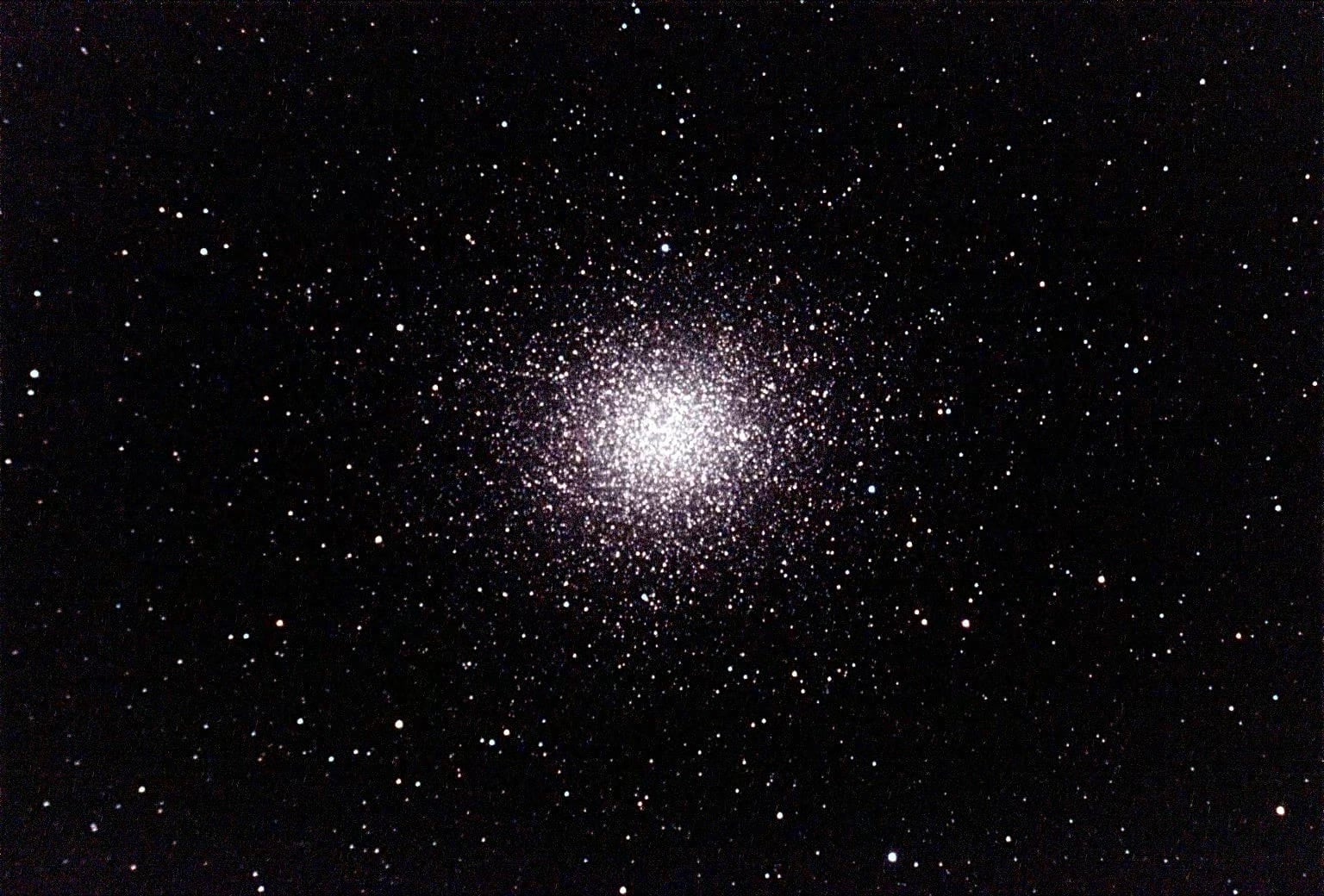
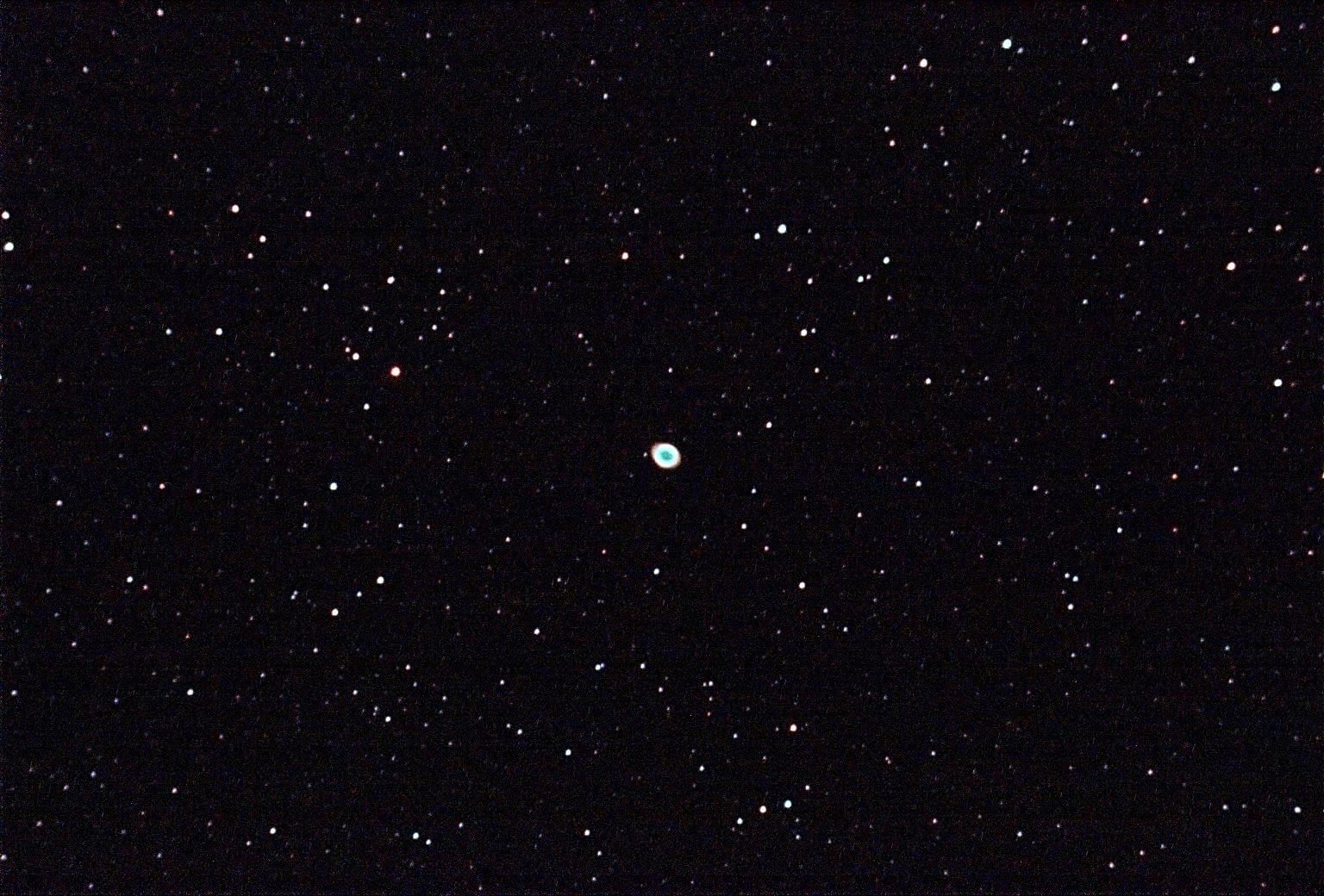
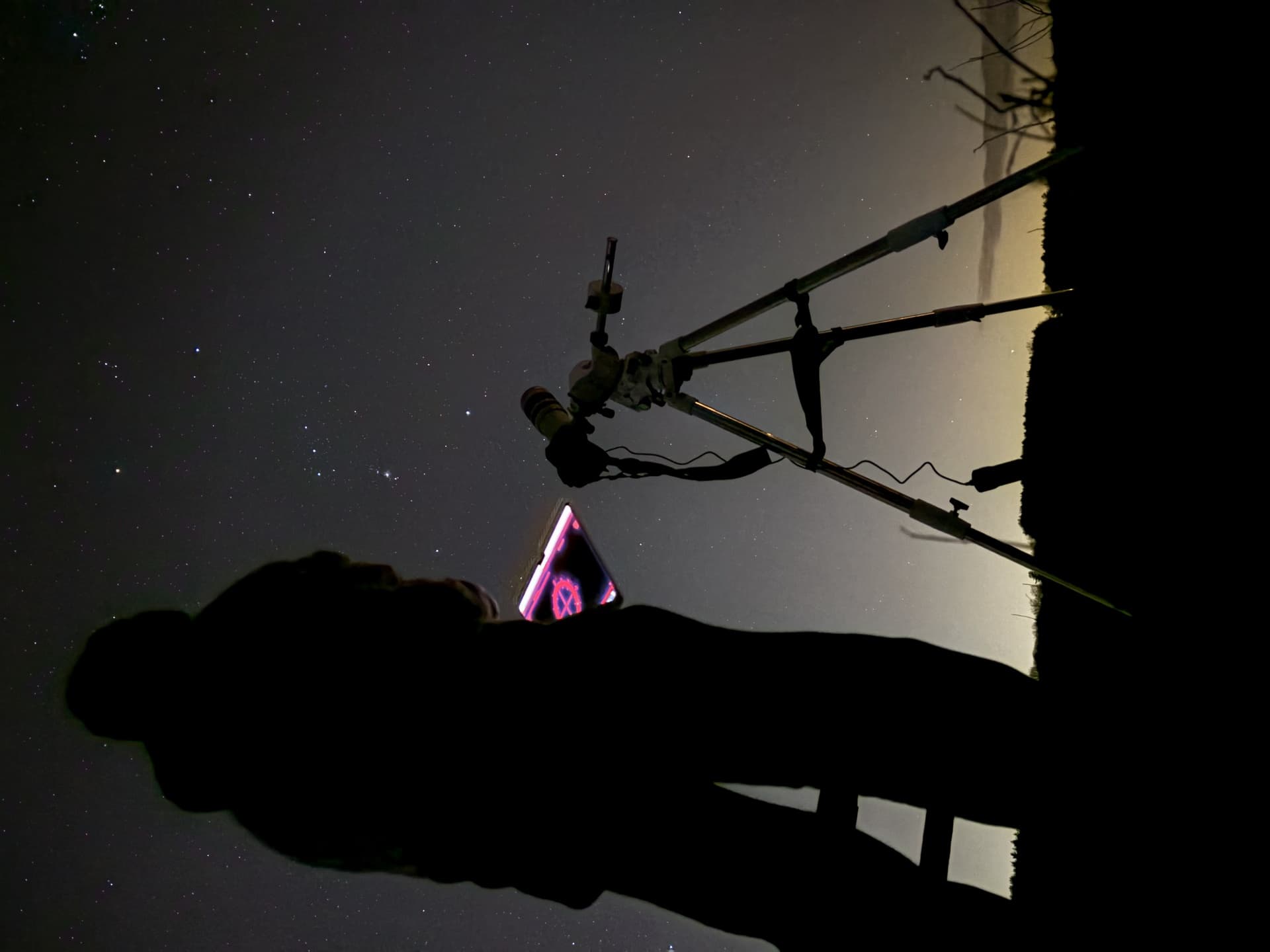
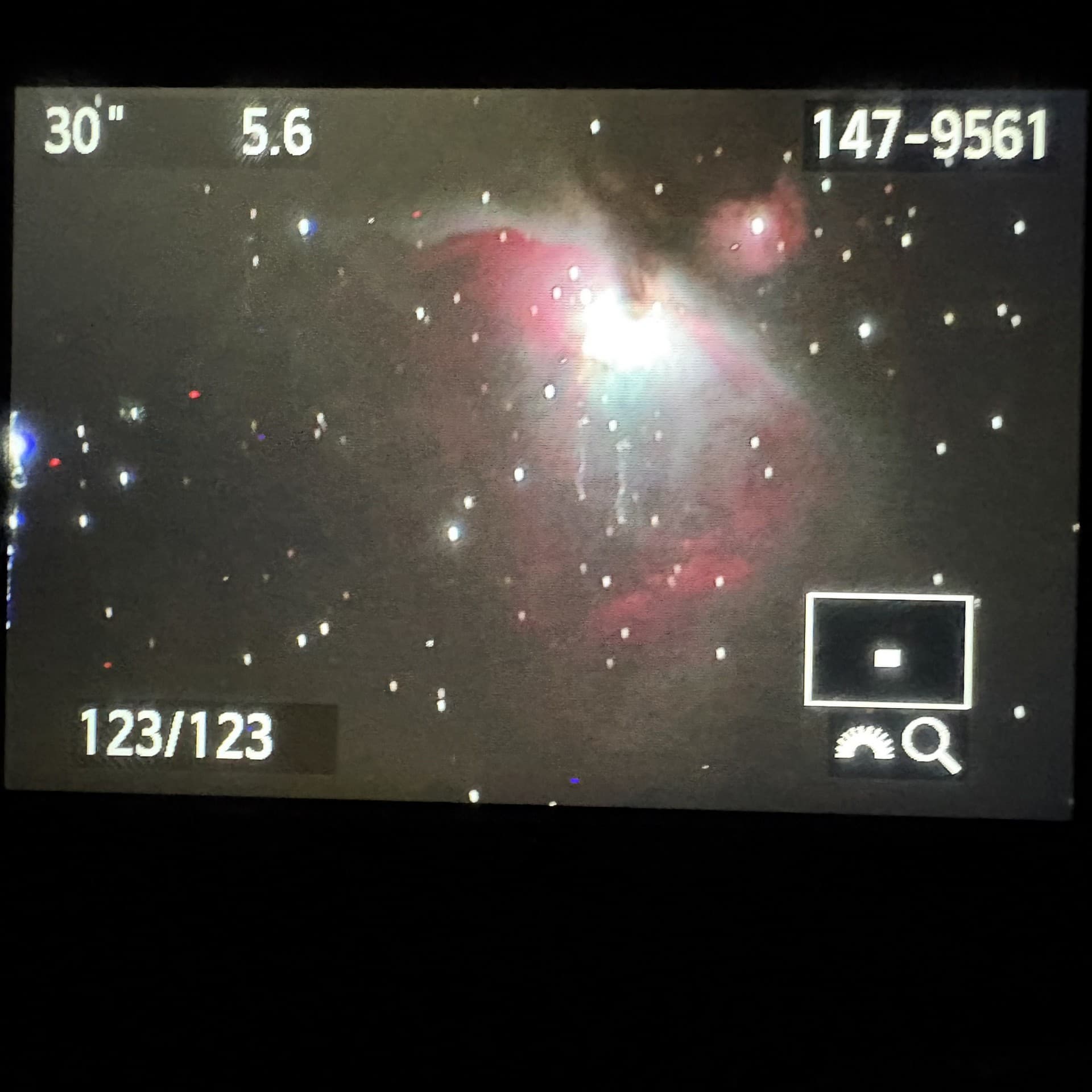
About these imagesLong nights, small progress
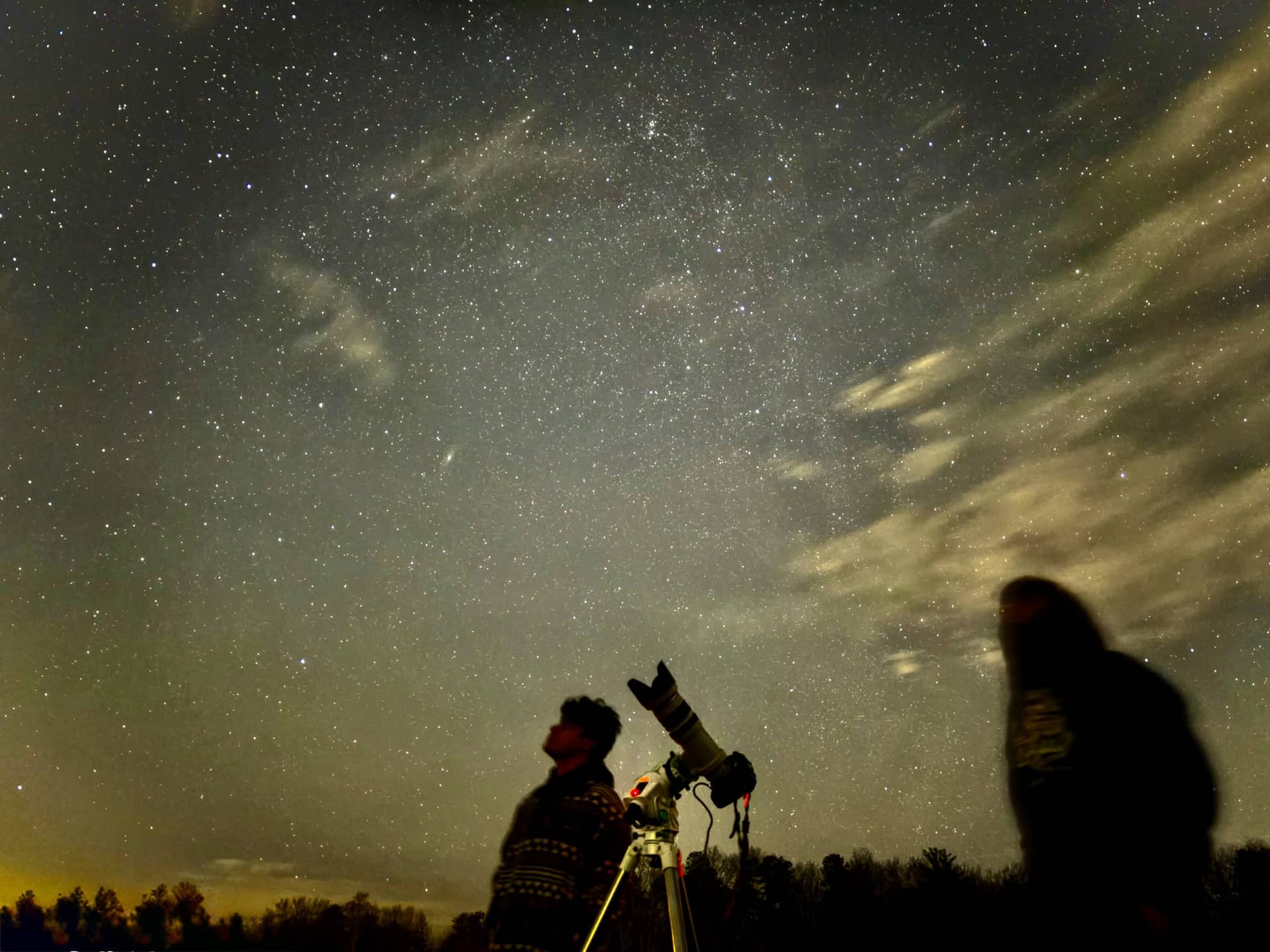
Hi, I'm Aki Bhabad, a 19-year-old amateur astrophotographer and a curious college freshman. Since I was a kid, I've always been fascinated by the night sky, and now, through astrophotography, I can pursue this fascination.
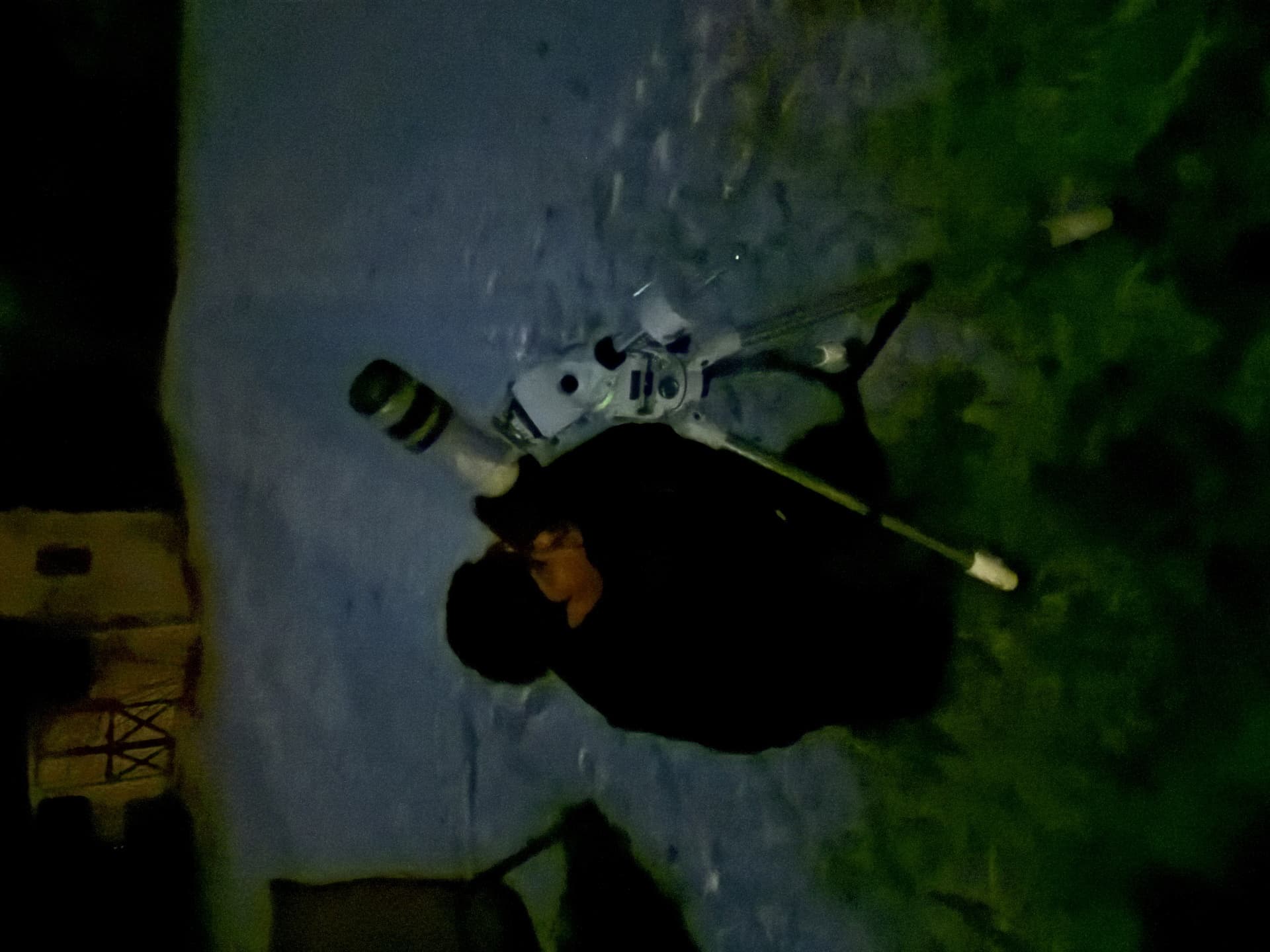
What draws me to astrophotography isn't just the beauty of the cosmos—it's the challenge. Each capture requires planning, precision, patience, and often involves long, cold nights troubleshooting equipment in the dark. It's the kind of hard problem that forces you to learn constantly, adapt quickly, and persist even when conditions aren't ideal.
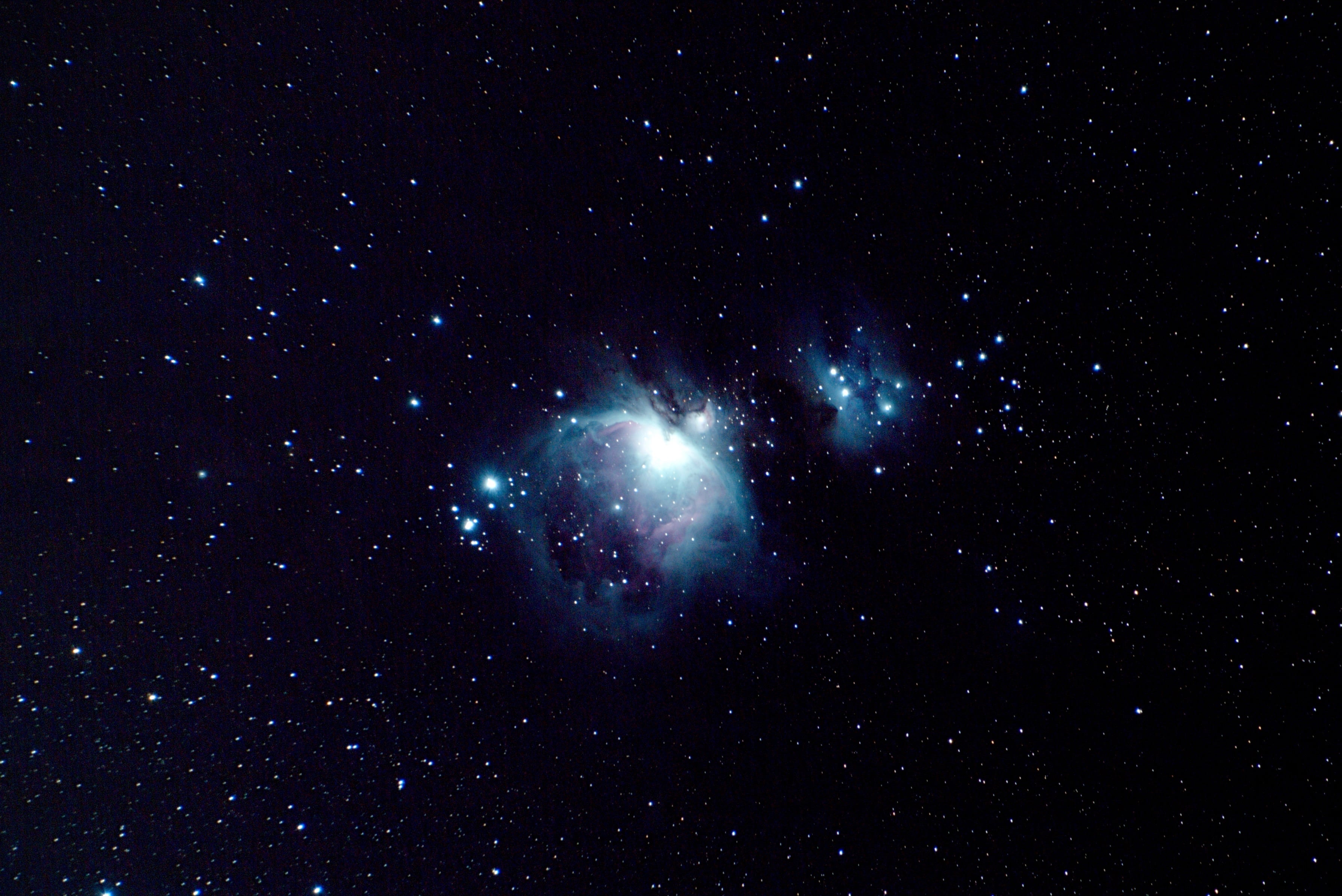
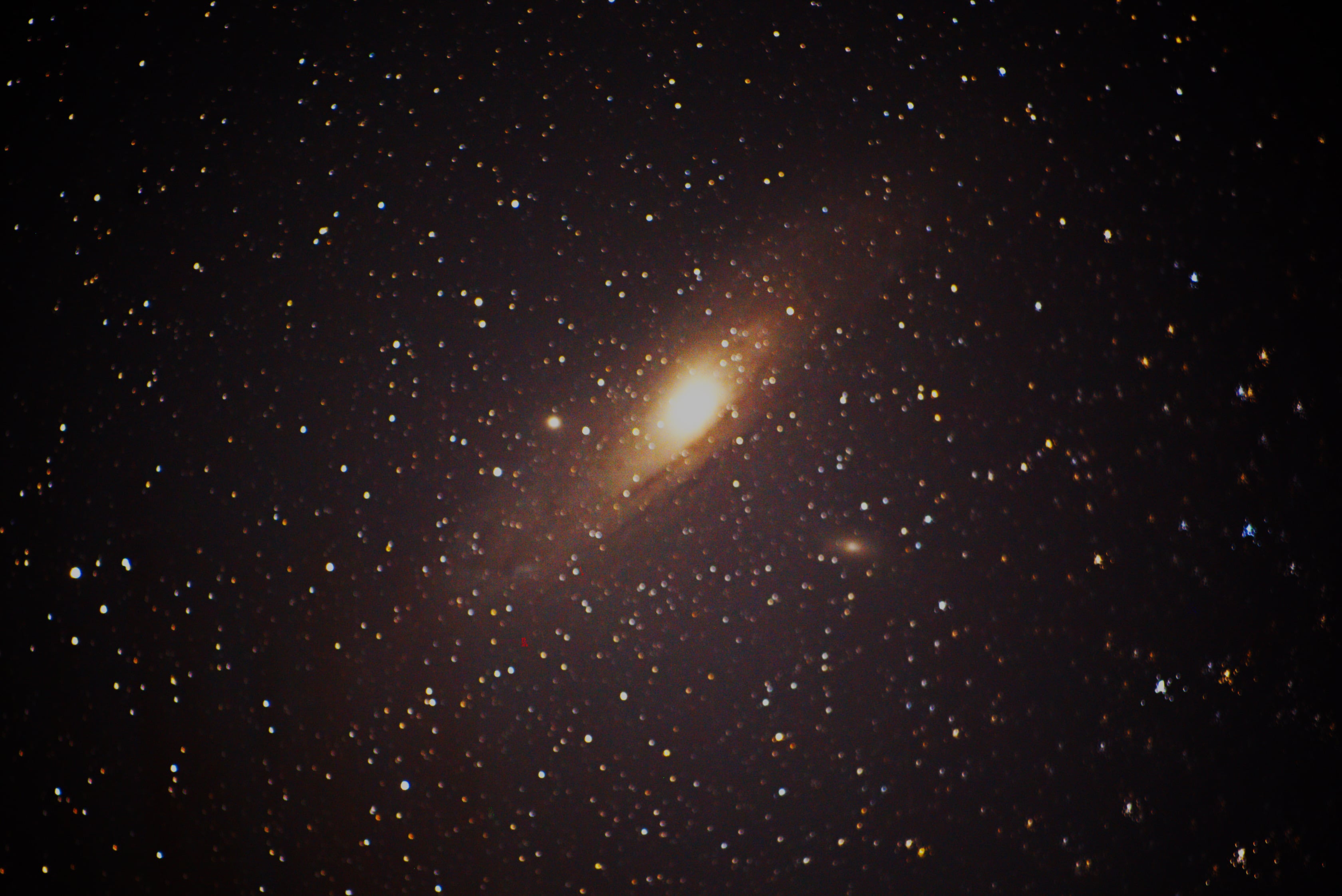
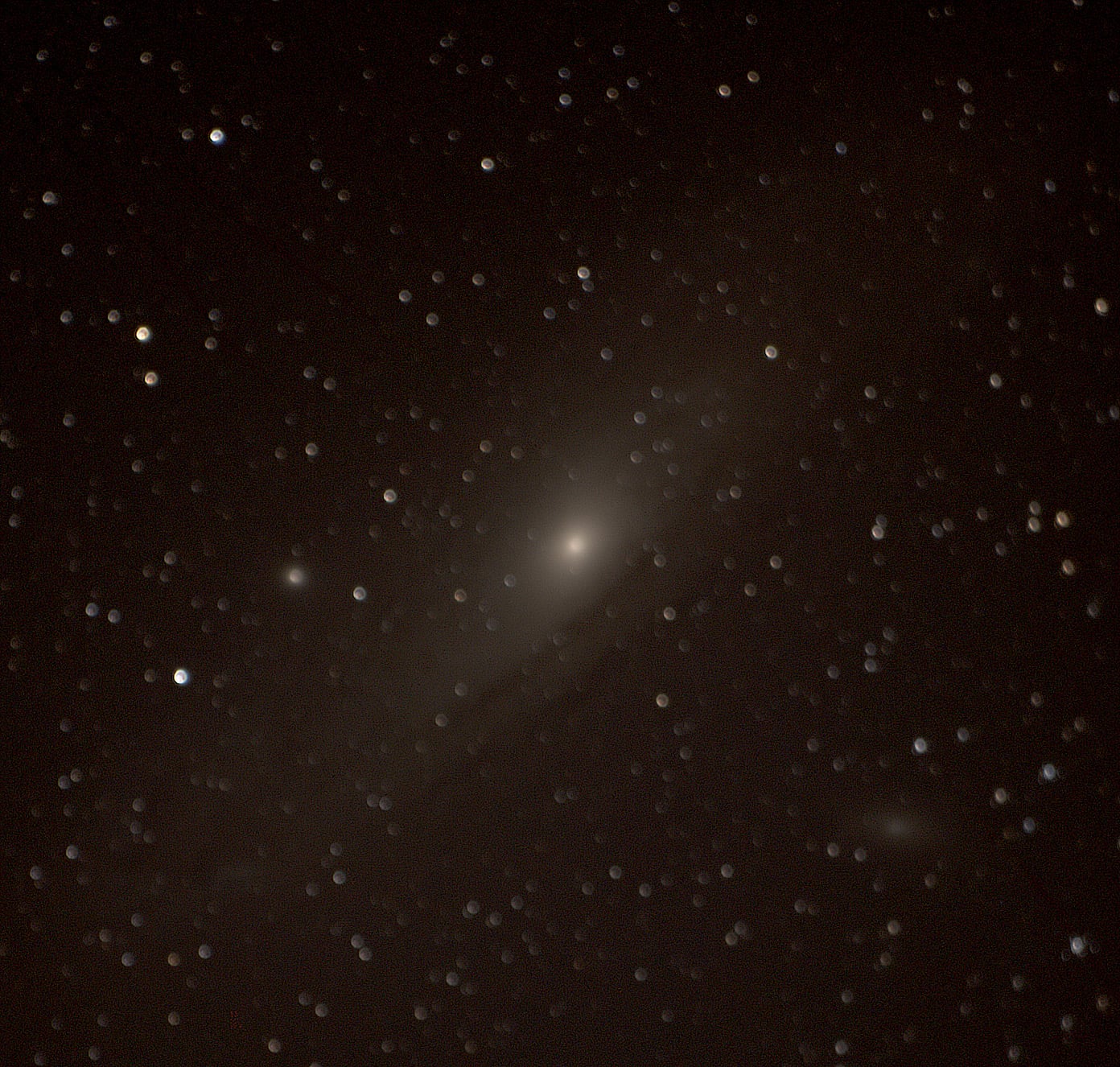
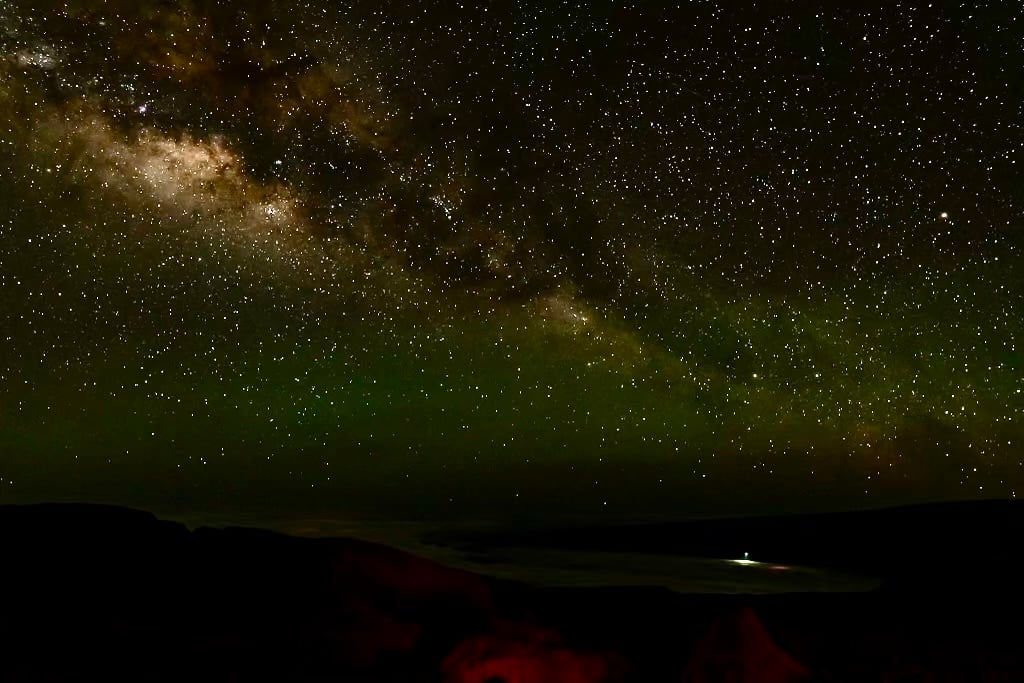
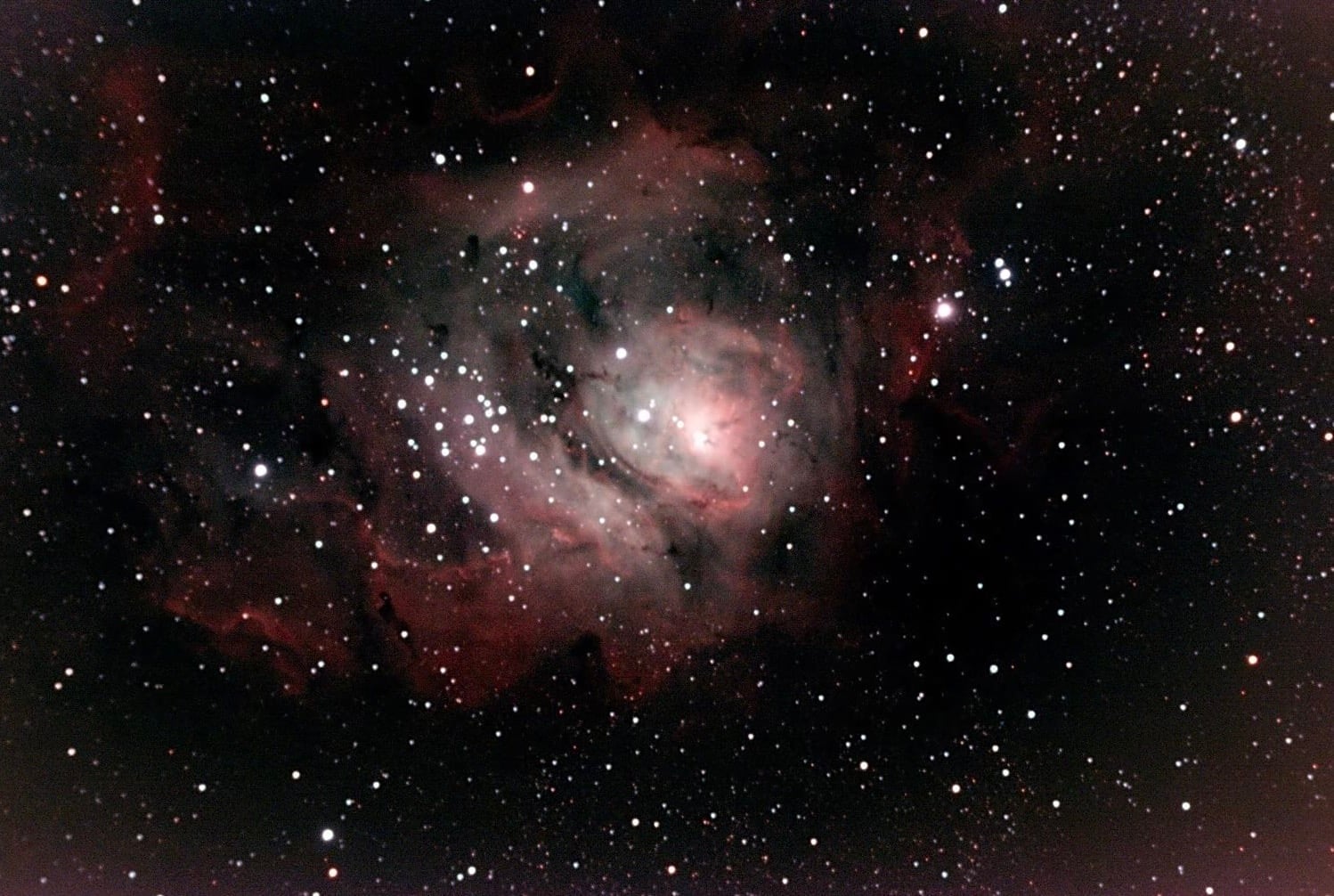
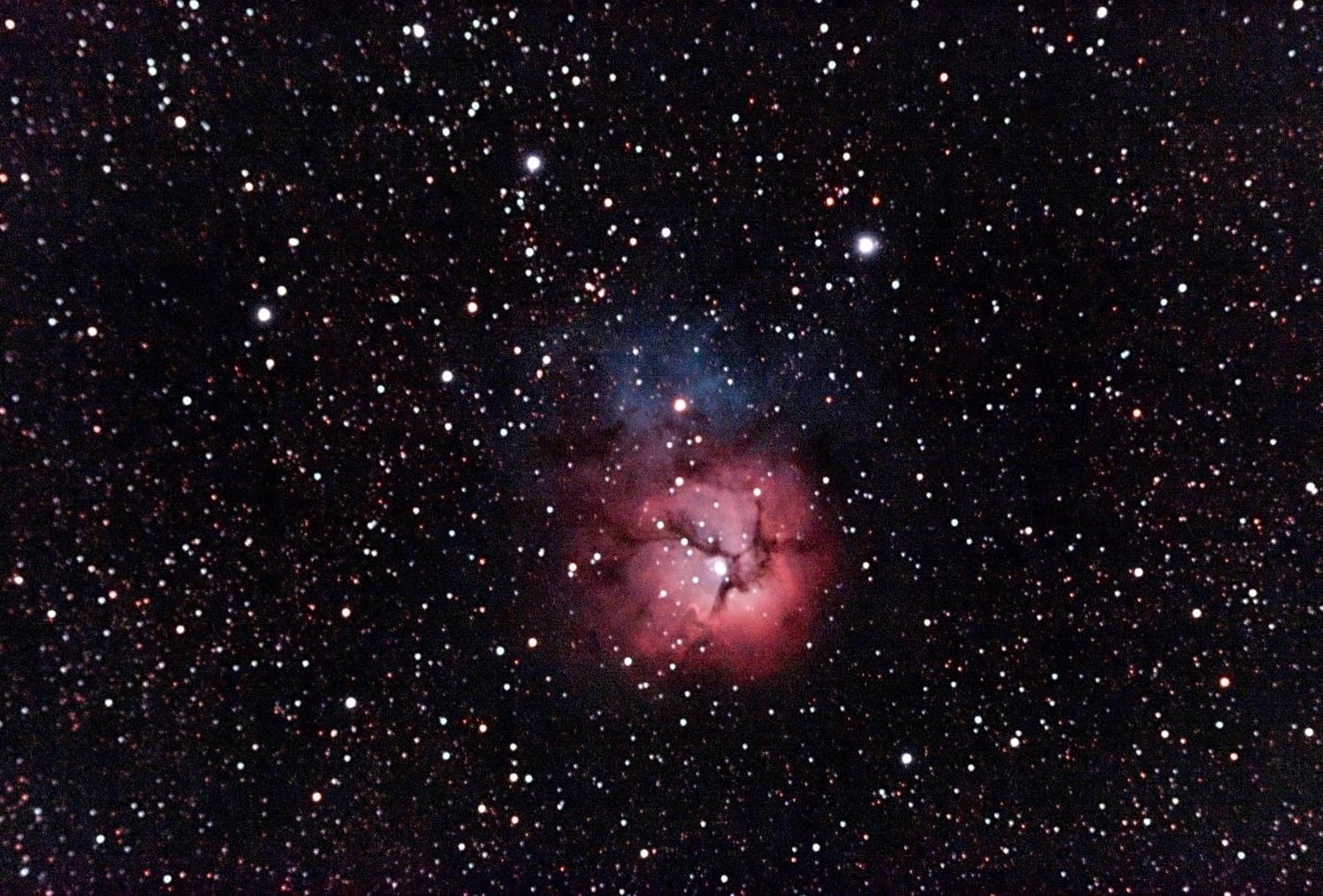
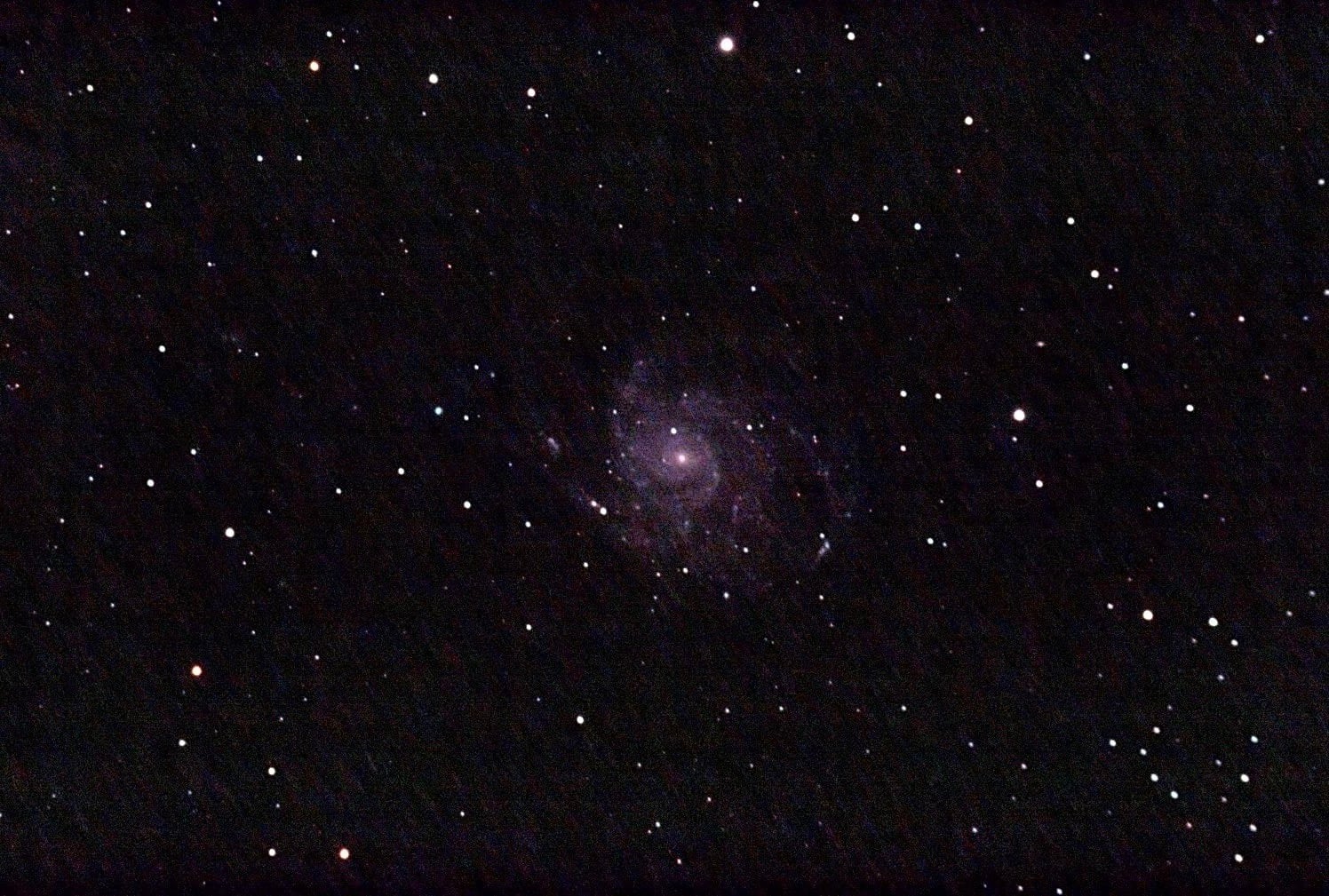
I shoot primarily from Connecticut—often from my own backyard or nearby farms—working within the limitations of a Bortle 4 zone and unpredictable New England weather. With my Canon EOS 6D, telephoto lenses, and Sky-Watcher Star Adventurer GTi tracker, I've been able to capture nebulae, galaxies, and wide-field Milky Way shots that reveal details invisible to the naked eye.
This gallery represents where I am now, but there's so much more I want to explore and capture. Each session teaches me something new, and every image is a step forward in understanding both the night sky and the craft of astrophotography.
Process
Each deep-sky capture follows a meticulous process: I start by polar aligning my Star Adventurer GTi tracker using both polar and two-star alignment for precision. Once calibrated, I take dozens of long exposures (typically 30 seconds each) over the course of 15–30 minutes or more, depending on conditions. These "light frames" are then brought into DeepSkyStacker, where they're aligned and combined to reduce noise and enhance faint details. Finally, I use Adobe Lightroom for careful post-processing—adjusting contrast, clarity, color balance, and noise reduction—to bring out the intricate structures and colors hidden in the raw data. It's a process that requires patience, precision, and a willingness to learn from each session.
Equipment
- Cameras
- Canon EOS 6D full-frame DSLR (20.2 MP) · Canon EOS Rebel T7 DSLR
- Lenses
- Canon EF 28-350mm f/3.5-5.6L IS USM · Canon EF 75-300mm f/4-5.6 III
- Tracking
- Sky-Watcher Star Adventurer GTi equatorial mount
- Smart telescope
- Vaonis Stellina (borrowed)
- Software
- DeepSkyStacker · Adobe Lightroom · Apple Photos