An 18-year-old just discovered 1.5 million previously unknown celestial objects using existing data.
Not by collecting new data, but by analyzing what already existed with AI.

Source: Curiosity on X.
The cost of analysis is collapsing. When the cost of analyzing data approaches zero, the value of the underlying data explodes. There is more gold to be mined.
If data is the most valuable resource, then health is one of the most valuable domains to apply it to.
Human biology is still largely a black box. Unlike physics, where theories can often be formalized through equations and proofs, biology is much more observational. Observation means data.
At the same time, modern culture is shifting toward health and fitness. People are more willing to intentionally maintain good health.
- U.S. gym memberships hit 77 million in 2024, a record high.[1]
- Gym check-ins in 2024 nearly doubled pre-pandemic levels and rose 60% versus 2023.[2]
Yet human longevity remains largely unpredictable. We can point to genetics, luck, and lifestyle, but only one of those is truly within our control. The data bears that out: smoking correlates strongly with lung cancer mortality, and obesity measurably shortens lifespan.
Knowing the variables does not solve the equation, but optimizing what we can control meaningfully shifts the odds in our favor.
People still have to work intentionally to improve their health. They have to fight against processed foods, obesity, and poor lifestyle defaults while adopting better ones like exercise, sleep, and recovery.
We have to pull every lever we can. The real question is how.
Wearables Reduce Friction
Fitness wearables are a breakthrough because they reduce the friction of collecting personal health data.
Whether it is WHOOP, Oura, Garmin, Apple Watch, or something else on the market, these devices act as a bridge between good intentions and measurable feedback.
- Fitness tracker users worldwide grew from 172 million in 2020 to 360 million in 2023.[3]
Wearables provide real-time data that acts as a reinforcement layer. They visualize the benefits of positive behavior and expose the cost of negative behavior. For some people, they even gamify the pursuit of becoming healthier.
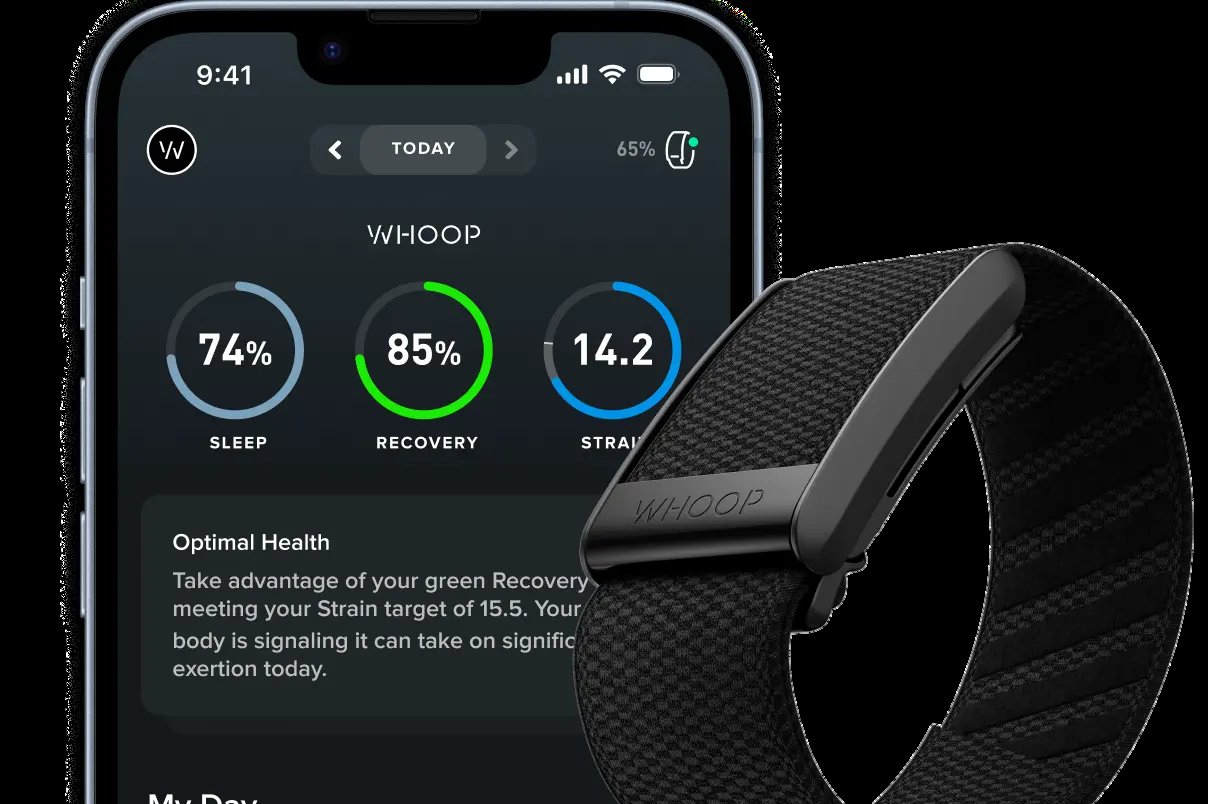
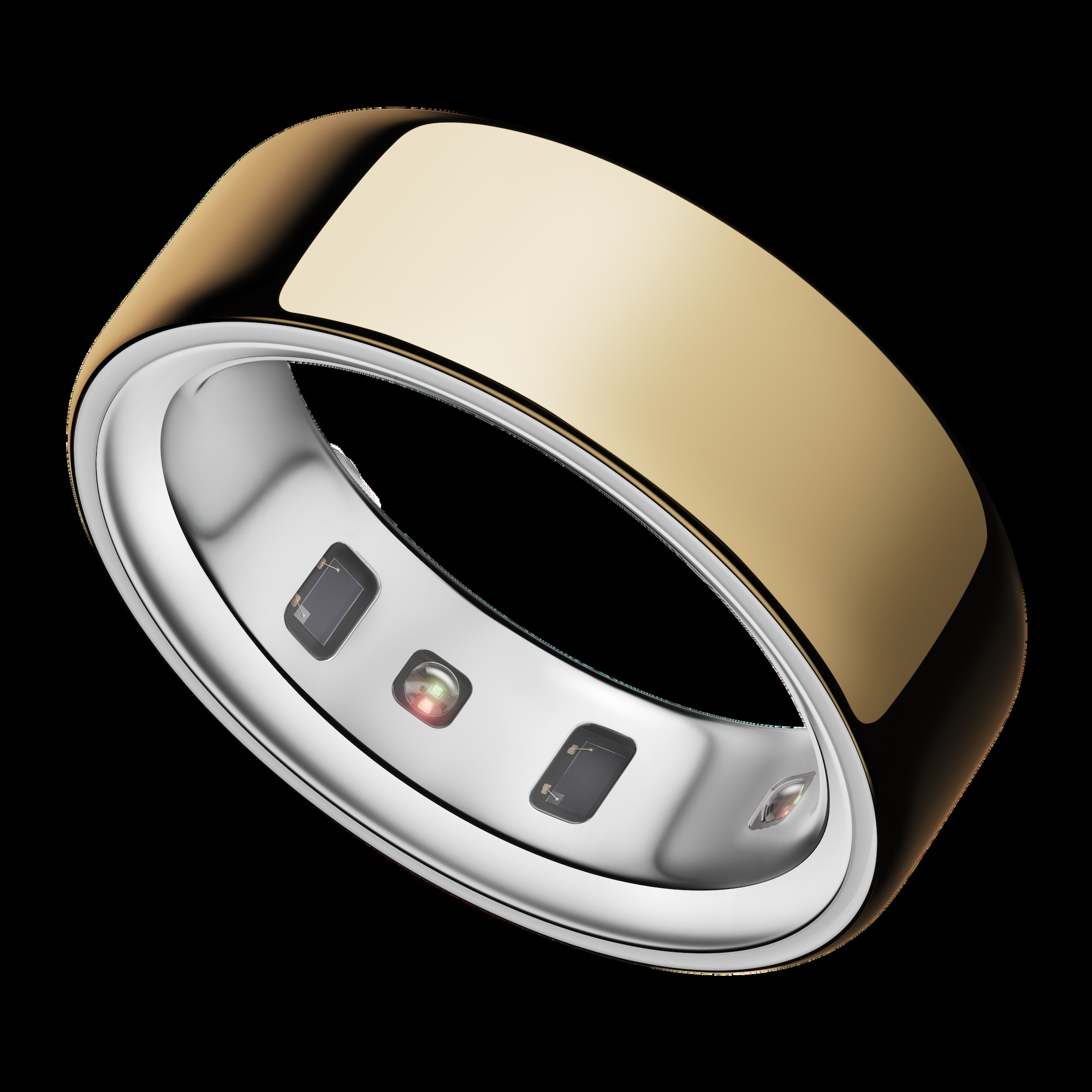
That matters because health and fitness still carry a lot of friction for most people.
- How do I know if I am sleeping well?
- How do I know if my body is actually recovering?
- How do I know if what I am doing is working?
Wearables answer those questions well enough to change behavior. As the world continues moving toward health optimization, more people will keep seeing the value of fitness tracking and using it to understand their bodies and build better habits.
- U.S. fitness tracker revenue was up 88% year over year in 2025, with 1.3 million devices sold in just seven months.[4]
The Next Layer of Data
So far, wearables have mostly attacked sleep and cardiovascular health.
Right now, startups like Function Health and Superpower are trying to bridge the part of health data that wearables do not yet track. They offer access to biomarker panels that make internal health more legible.
Function Health runs more than 160 lab tests across two annual blood draws for $365.[5] Superpower offers a comprehensive panel covering more than 100 biomarkers for $199.[6]
These are still snapshots, not streams. They are valuable, but they are not continuous.
The problem is the process. Drawing blood, paying a few hundred dollars, and waiting days for results creates enough friction to stop most of the emerging health-conscious population from doing it consistently.
It takes unusually committed people to track biomarkers over time.
Wearables are easier. For the general population, they already close enough of the gap to matter.
Where This Goes
That is why there is still so much room for innovation. Once wearables can measure more than sleep, strain, and cardiac rhythm, the market should expand dramatically.
The global wearables market is already on track to more than double, from about $104 billion in 2022 to over $203 billion by 2030.[7]
In a world where data is the main tool for understanding human biology, whoever can harness that data with the lowest friction and highest efficiency will win.
The gold is already there. We are still figuring out how to mine it.
Sources
- MMC Invest, "U.S. Fitness and Gym Industry Report 2025-2030 Outlook"
- Fortune, "Gym use is up since the pandemic, especially among Gen Z"
- Market.us, "Fitness Tracker Statistics"
- Circana, "Spending on Fitness Trackers Grows 88% in 2025, Circana Reports"
- Function Health Pricing
- Superpower, "Superpower is now $199"
- PerfectGym, "Fitness Industry Statistics & Trends"